
Porcelain vs ceramic tiles: which is right for your home?
Choosing the right tile starts with understanding the difference.
Porcelain and ceramic tiles may look similar, but they perform differently. Whether you’re renovating a bathroom, updating a kitchen or designing an outdoor space, understanding the strengths of each material will help you make the right choice.
What are porcelain tiles?
Strong, dense and built for demanding environments.
Porcelain tiles are manufactured from refined clay and fired at extremely high temperatures. This creates a dense, hard-wearing tile with very low water absorption, making it suitable for both indoor and outdoor use.
Porcelain is an excellent choice for busy households where durability, moisture resistance and easy maintenance are priorities.
What are ceramic tiles?
Stylish, practical and ideal for many indoor spaces.
Ceramic tiles are made from natural clay and fired at lower temperatures than porcelain. They are slightly less dense, making them easier to cut and often more affordable.
For walls and many indoor floors, ceramic tiles provide an attractive and reliable finish while offering excellent value.
Durability
Which material lasts longer?
Both materials are durable when installed correctly, but porcelain is generally more resistant to wear, scratches and impact damage. Its dense composition makes it particularly suitable for high-traffic areas such as hallways, kitchens and commercial spaces.
Ceramic tiles remain a dependable option for areas that experience lighter everyday use.
Water resistance
Moisture matters.
One of porcelain’s biggest advantages is its low water absorption. This makes it particularly well suited to bathrooms, wet rooms and outdoor areas where moisture is a constant consideration.
Ceramic tiles also perform well in bathrooms and kitchens but are generally recommended for internal applications.
Outdoor use
Can both be used outside?
Porcelain is usually the preferred option for patios, terraces and garden spaces because it is frost-resistant and performs well in changing weather conditions.
While some ceramic products are designed for external use, not all are suitable, so it’s important to choose the correct tile for the environment.
Appearance
Style without compromise.
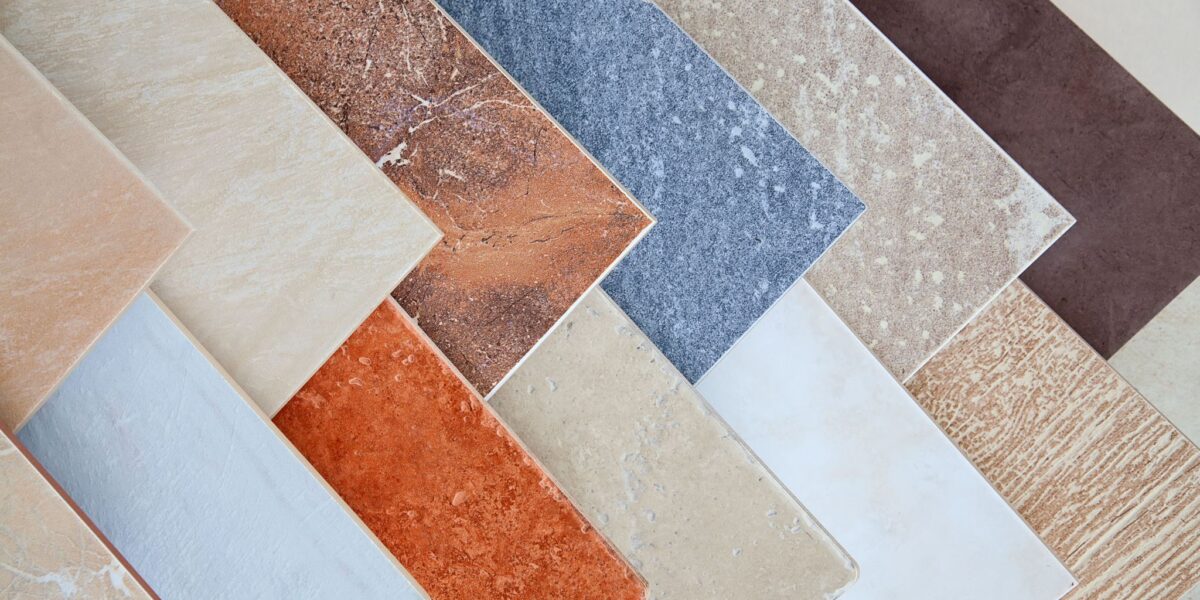
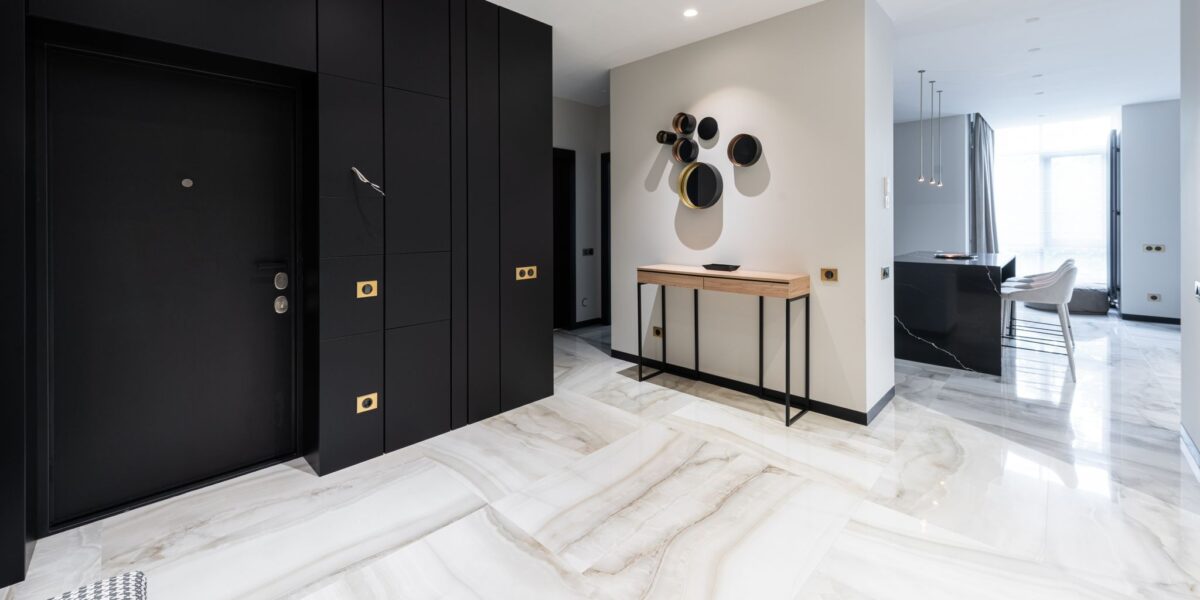
Modern manufacturing means both porcelain and ceramic tiles are available in a huge range of colours, textures and finishes. Many replicate natural stone, marble or timber so convincingly that it’s difficult to tell the difference at first glance.
The best choice often comes down to where the tiles will be installed rather than how they look.
Maintenance
Easy to keep looking their best.
Both porcelain and ceramic tiles are straightforward to maintain with regular sweeping and occasional cleaning using suitable products.
Keeping grout clean and dealing with any damage promptly will help maintain the appearance of your tiled surfaces for years to come.
Cost
Balancing budget and performance.
Ceramic tiles are often the more affordable option, making them attractive for many interior projects.
Porcelain tiles generally cost more because of their manufacturing process and enhanced performance, but many homeowners see this as a worthwhile long-term investment.
Which tile should you choose?
It depends on the space.
Choose porcelain if you need:
- Maximum durability
- Excellent water resistance
- Outdoor performance
- High-traffic flooring
- Long-term resilience
Choose ceramic if you want:
- A cost-effective solution
- Decorative wall tiles
- General indoor use
- A wide choice of styles and finishes
The right tile isn’t simply the most expensive one, it’s the one that’s best suited to your home and how the space will be used.
Professional installation matters.
Even the best tile deserves expert installation.
Choosing quality materials is only part of the project. Careful preparation, accurate cutting and precise installation are what create a finish that looks exceptional and performs for years to come.
Whether you choose porcelain or ceramic, professional installation helps you get the very best from your investment.