How to choose the right tile size for your room
Summary from this article...
The right size can change how a room feels.
Tile size affects more than appearance. It can influence the visual proportions of a room, the amount of grout you see and the complexity of the installation.
The best choice depends on the space, the surface and the look you’re trying to achieve.
Large tiles
Clean lines with less visual interruption.
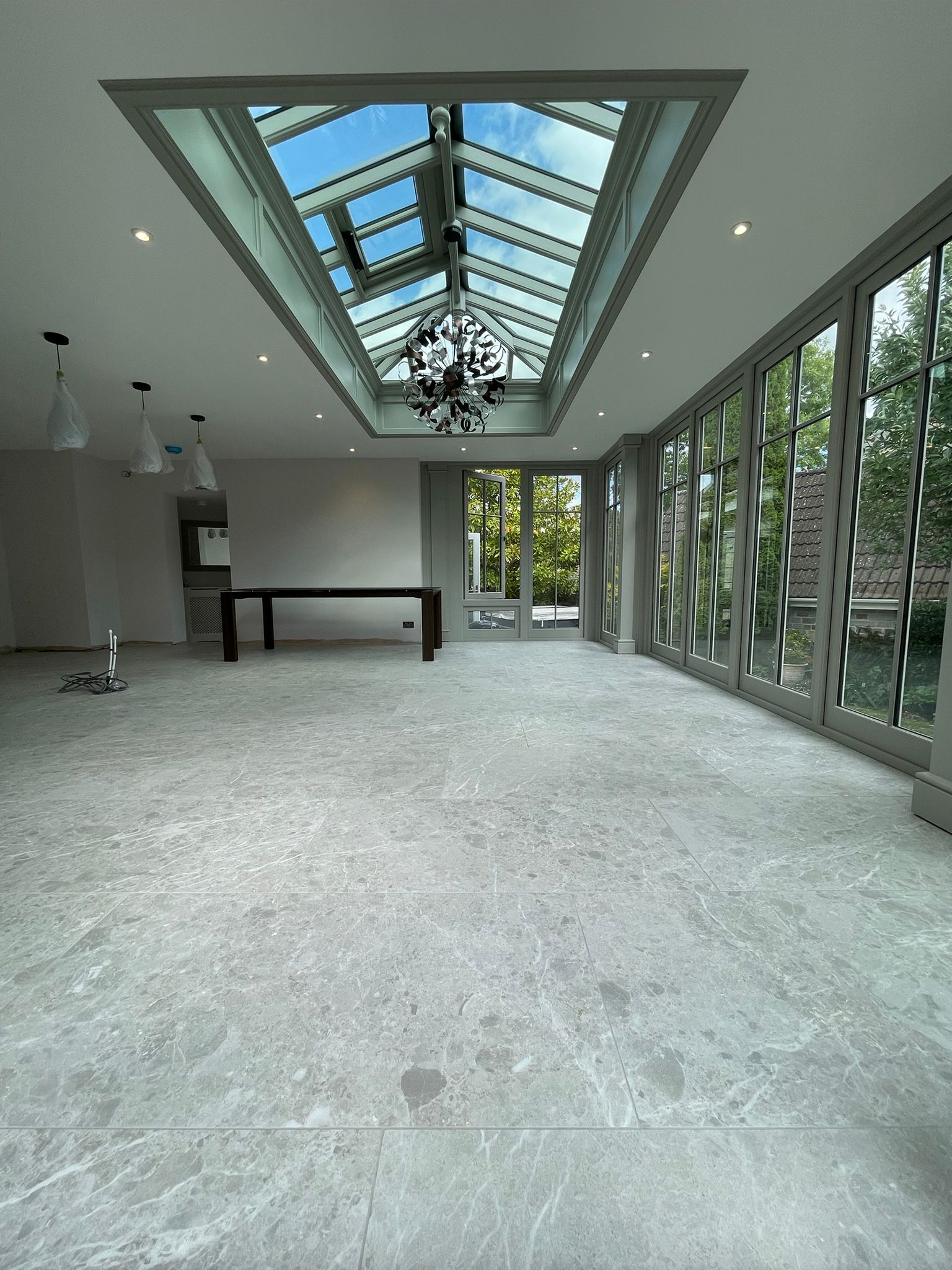
Large-format tiles are popular in contemporary interiors because they create fewer grout lines and can give a room a calm, spacious appearance.
They’re particularly effective on open floors and larger walls, but they also work surprisingly well in smaller bathrooms when the layout is planned properly.
Small tiles
More detail. More design possibilities.
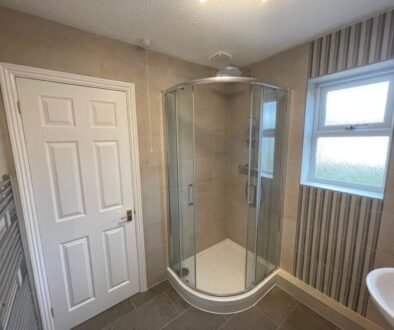
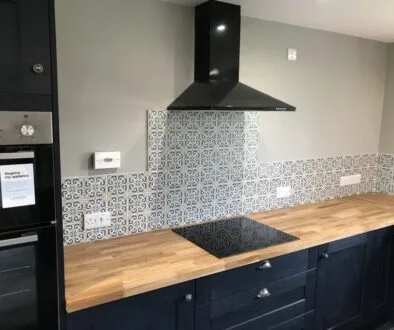
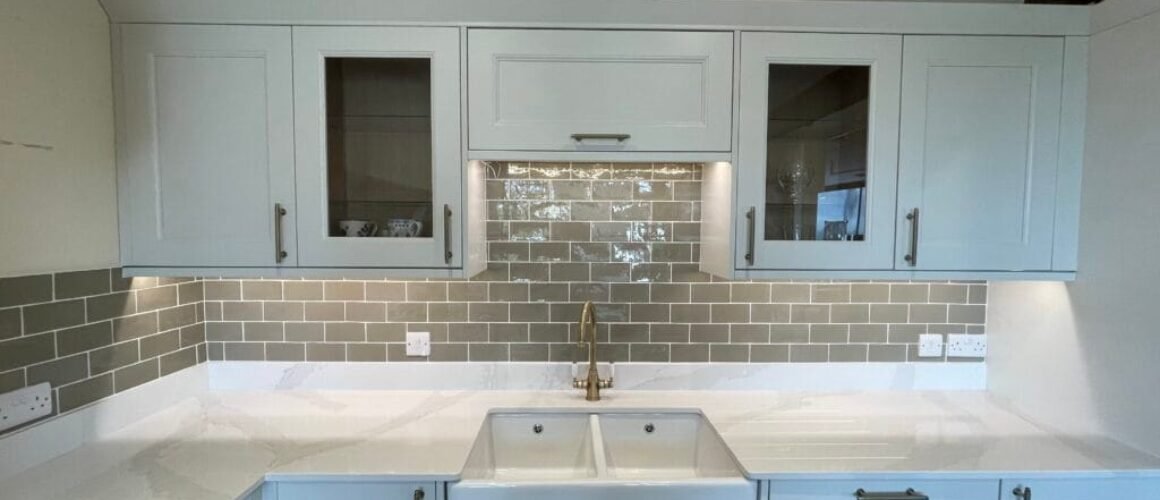
Smaller tiles can introduce texture, pattern and character. They’re particularly useful for feature walls, splashbacks, shower areas and designs such as mosaics.
The trade-off is more grout lines and, in many cases, more cutting and installation time.
What size tiles are best for a small bathroom?
Don’t assume small rooms need small tiles.
Large tiles can work extremely well in smaller bathrooms. Fewer grout lines can make the surfaces feel less broken up, creating a cleaner and more spacious appearance.
That said, the room’s shape, windows, fixtures and tile layout all need to be considered before choosing the format.
What size tiles are best for bathroom walls?
Let the room guide the format.
Medium and large-format tiles are often excellent choices for bathroom walls, particularly where you want a simple, contemporary finish.
Smaller formats can work beautifully when you’re creating a feature or introducing a more traditional style.
What size tiles are best for floors?
Think about the space and the surface.
Large floor tiles can create a sophisticated, uninterrupted appearance, particularly across larger rooms.
Smaller tiles can provide more flexibility around awkward shapes, detailed layouts and areas requiring additional falls or gradients.
In wet rooms, the practical requirements of the floor should take priority over appearance alone.
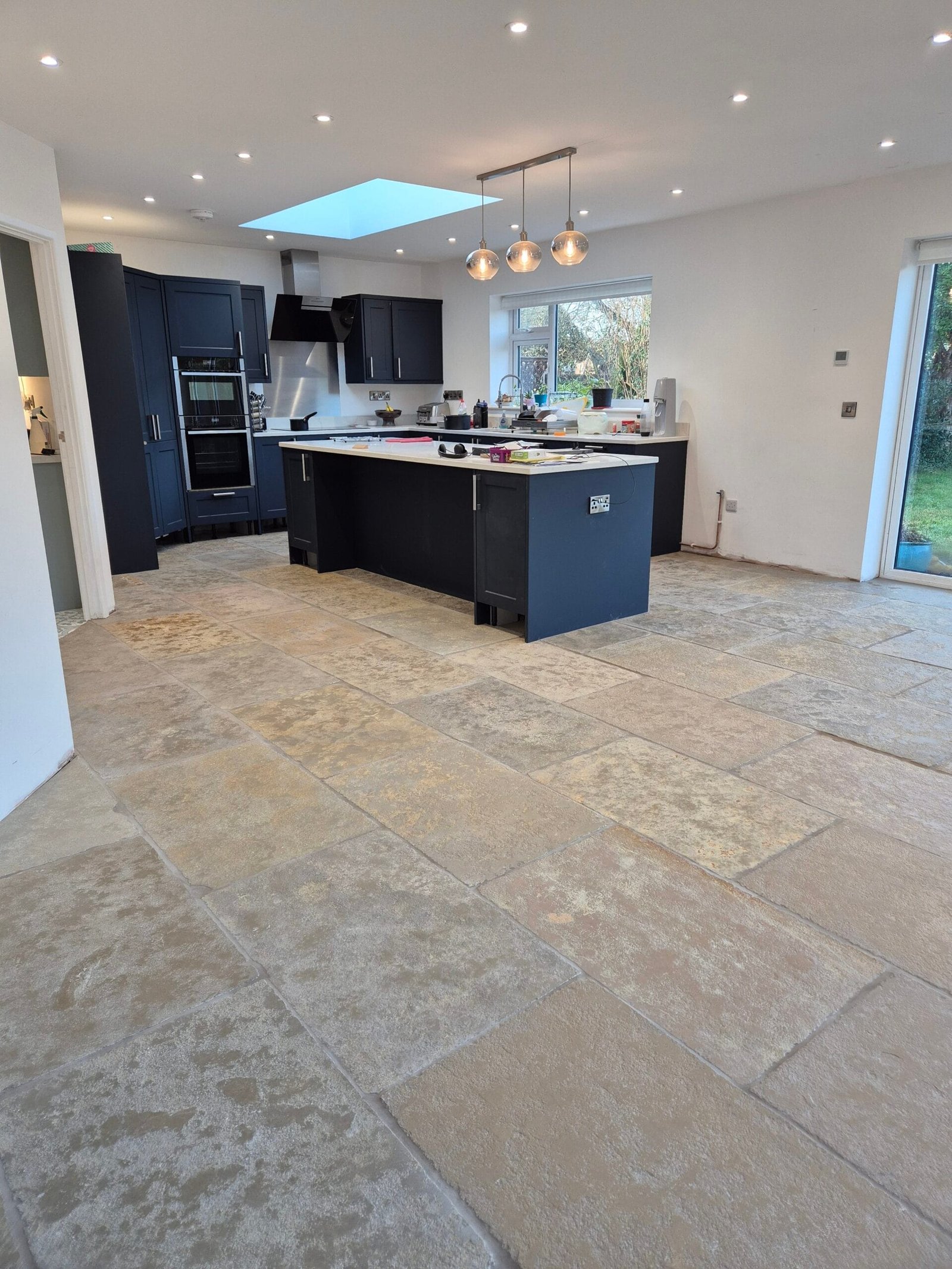
Large tiles don’t always mean faster installation
Bigger tiles require greater precision.
It might seem logical that fewer tiles means less work. In reality, large-format tiles can require careful handling, accurate cutting and particularly good surface preparation.
An uneven floor or wall becomes much more noticeable when using large tiles.
Don’t forget the grout lines
Grout is part of the overall design.
A tile isn’t viewed in isolation. The colour, width and position of the grout lines all influence the finished appearance.
Matching grout can create a continuous look, while contrasting grout makes the individual tiles more noticeable.
Consider the room before choosing
The best tile is the one that suits the space.
Before choosing a format, consider:
- Room size and shape
- Walls or floors
- Existing surfaces
- Fixtures and fittings
- Tile pattern
- Grout colour
- Maintenance
- Installation requirements
A beautiful tile can still be the wrong choice if it doesn’t work with the room.
Should the same tile size be used everywhere?
Not necessarily.
Using different formats can help define different areas within a room.
For example, a large-format floor combined with a smaller feature tile can create contrast without making the design feel disconnected.
The key is to make the different elements work together.
Need help choosing your tiles?
Start with the room, not the tile.
The right format should work with the space, the surface and the way the room will be used.
If you’re unsure which tiles or sizes would suit your project, Druston can provide practical advice before installation begins.