What colour grout should you choose?
Summary from this article...
The right grout can change the whole look
Grout is often treated as a finishing detail. In reality, its colour can affect how large a room feels, how clearly the tile pattern stands out and how easy the surface is to maintain.
The best choice depends on the tiles, the room and the look you want to create.
Match the grout to the tile
A subtle choice creates a seamless finish.
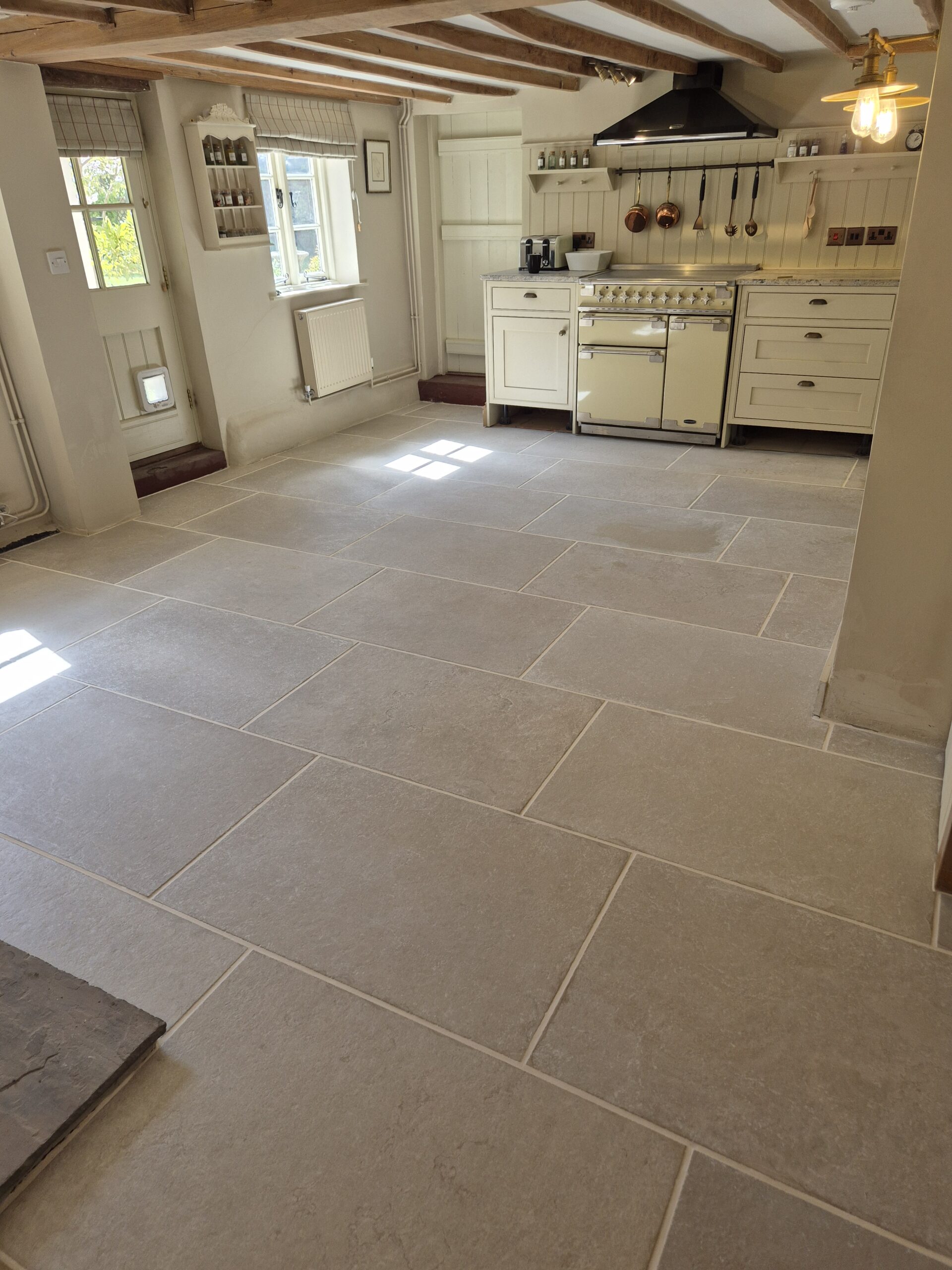
Using a grout colour close to the tile creates a calmer, more continuous appearance. This works particularly well with large-format tiles, where matching grout helps reduce visual breaks.
It’s a simple way to create a clean, modern finish.
Choose contrasting grout
Make the tile pattern part of the design.
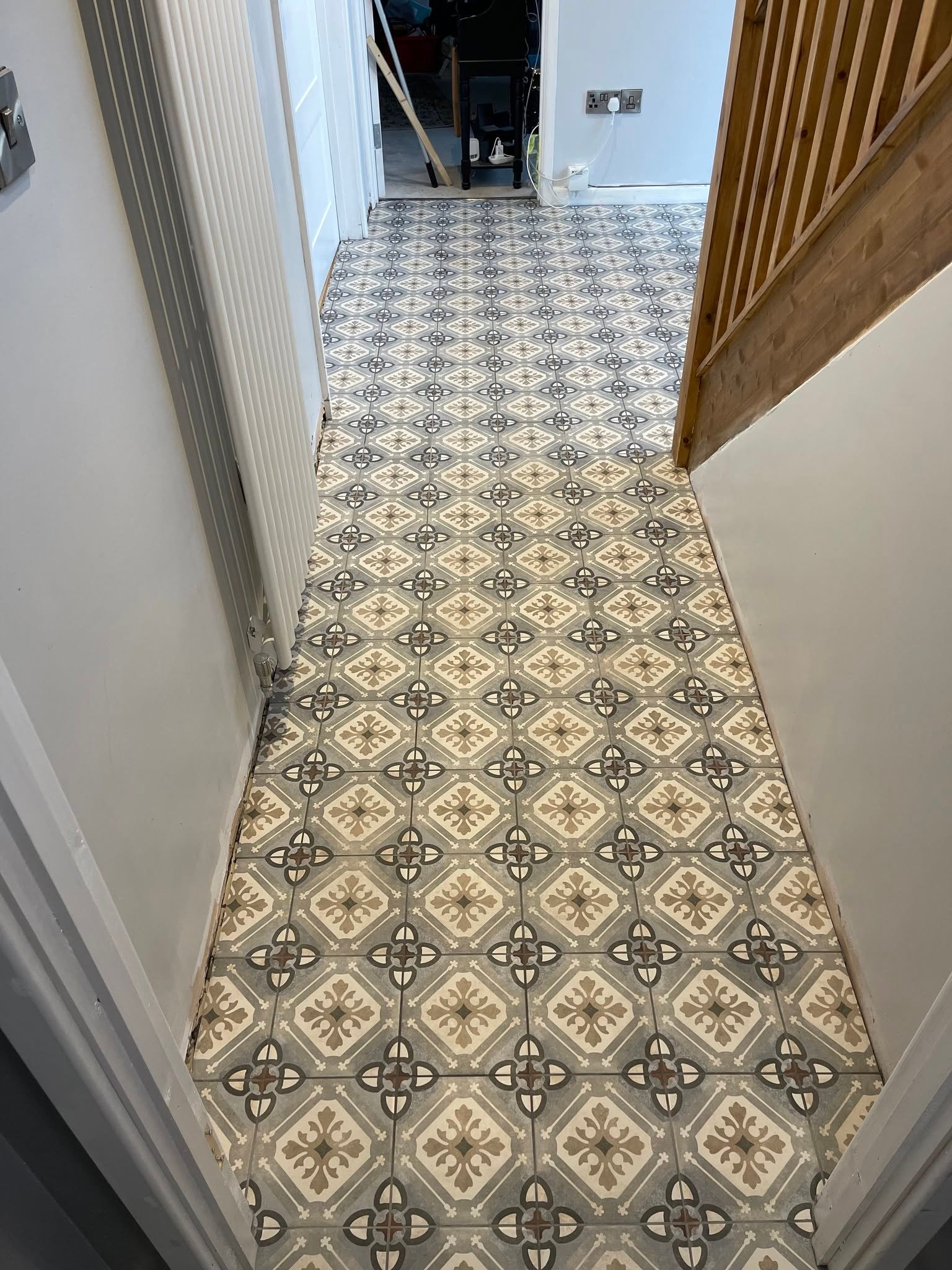
A contrasting grout colour draws attention to individual tiles and their layout.
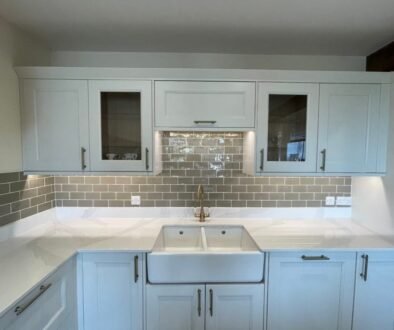
It can work particularly well with metro, brick, hexagonal and patterned tiles, where the arrangement is an important part of the overall design.
The stronger the contrast, the more noticeable every grout line becomes.
Is white grout a good idea?
Bright, clean and timeless.
White grout works beautifully with many bathroom and kitchen designs, particularly alongside white tiles.
However, it can show dirt and discolouration more readily in busy areas. Good cleaning and regular maintenance become more important, especially on floors.
What about grey grout?
Practical without losing style.
Grey has become a popular alternative to white because it can soften the contrast between tiles while being more forgiving of everyday marks.
Light grey works well for a subtle finish. Darker grey creates more definition and can give simple tiles a stronger visual presence.
Dark grout
Bold lines. Stronger definition.
Dark grout can create a striking effect, particularly with light-coloured tiles.
It can also work well in contemporary kitchens, bathrooms and feature walls where the tile pattern is intended to stand out.
One consideration is the overall balance of the room. Strong grout lines can become a major visual feature.
Which grout is best for a bathroom?
Think about appearance and maintenance.
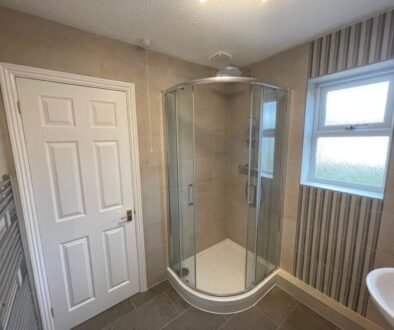
Bathrooms experience regular moisture, cleaning and everyday use. A grout colour that hides minor marks can be more practical than an extremely light option.
The location matters too. Shower floors, splashbacks and feature walls may each benefit from different choices.
Which grout is best for a kitchen?
Practicality matters in busy spaces.
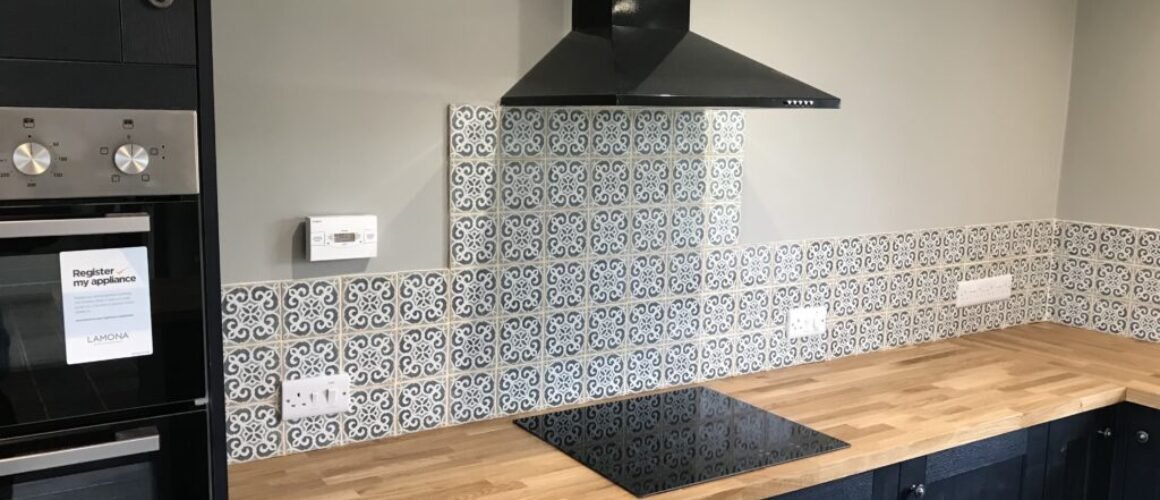
Kitchen splashbacks are exposed to cooking, spills and regular cleaning. A slightly darker or complementary grout can help maintain a consistent appearance between cleans.
For floors, durability and suitability for the specific installation are equally important.
Should floor and wall grout match?
They don’t have to.
Matching grout can create a cohesive appearance across a room, but using different shades can help define walls and floors.
For example, a subtle wall grout combined with a slightly darker floor grout can create contrast without making the room feel busy.
Does grout colour affect the size of a room?
Visual lines influence perception.
Highly contrasting grout creates more visible lines, which can make a tiled surface feel more segmented.
A grout colour closer to the tile creates fewer visual interruptions and can help a smaller room feel calmer and more spacious.
A simple way to choose
Start with the effect you want.
For a seamless look:
Choose a grout close to the tile.
For definition:
Choose a contrasting shade.
For a softer appearance:
Try a light or mid-grey.
For a bold design:
Use a darker contrast.
For busy areas:
Consider a colour that’s practical to maintain.
Don’t forget the grout finish
Colour is only part of the decision.
The grout needs to be suitable for the location, tile and level of exposure. Bathrooms, wet rooms, floors and outdoor areas can have different requirements.
Choosing the right product is just as important as choosing the right colour.
What about existing grout?
Sometimes it needs more than cleaning.
If existing grout has become cracked, loose, stained or damaged, cleaning may no longer be enough. Regrouting can restore the appearance of a tiled surface while also addressing deteriorated joints.
Choosing tiles for your project?
Get the details right from the beginning.
The tile, layout, grout and finish all work together. If you’re planning a bathroom, kitchen, floor or other tiled space, Druston can help you achieve a finish that’s practical, balanced and built to last.