Should you remove old tiles before retiling?
Sometimes. But not always.
Removing old tiles can create extra work, dust and cost. However, tiling over an unsuitable surface may cause even bigger problems later.
The right choice depends on what’s underneath.
First, check the existing tiles
A solid surface makes all the difference.
Before considering new tiles, the existing installation needs to be assessed. Loose, cracked or poorly bonded tiles can make a poor foundation for anything installed above them.
A quick visual check is not always enough.
The condition of the wall or floor matters too.
When removing old tiles is usually best
Start fresh when the surface cannot be trusted.
Removal is often the safer option when existing tiles are:
- Loose or hollow
- Cracked or damaged
- Uneven
- Affected by moisture problems
- Poorly bonded to the surface
Adding new tiles on top won’t fix the problem underneath. In some cases, it simply hides it until it becomes more difficult to repair.
Can you tile over existing tiles?
Yes, in the right conditions.
Tiling over existing tiles may be possible when they are firmly bonded, structurally sound and provide a suitable surface for the new installation.
But there’s another consideration: height.
Adding another layer can affect floor levels, doors, fittings and transitions between rooms. On walls, it can also change how tiles meet sockets, trims and other features.
Sometimes saving removal time creates complications elsewhere.
What about bathrooms?
Moisture changes the conversation.
Bathrooms need particular care because water can expose weaknesses that may not be obvious in a dry room.
If there are concerns about damaged backgrounds, failed seals or moisture behind existing tiles, removal may be the sensible route. The area can then be properly assessed and prepared before the new installation begins.
For wet areas, preparation is just as important as the finished surface.
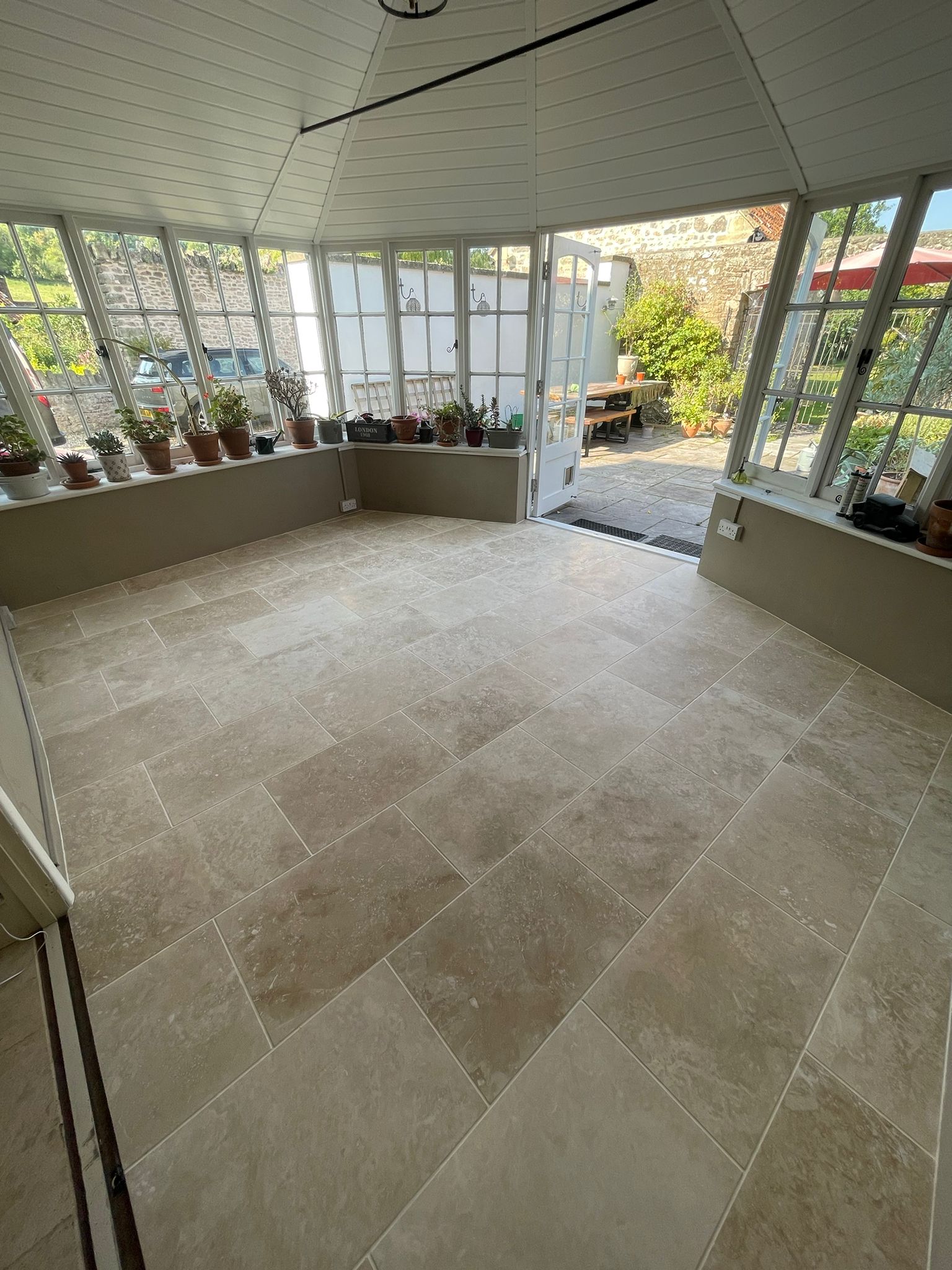
What happens after tile removal?
The real work may only be beginning.
Once the old tiles are removed, the surface underneath may need attention.
Depending on its condition, this could involve:
- Removing old adhesive
- Repairing damaged areas
- Levelling walls or floors
- Preparing suitable backgrounds
- Waterproofing wet areas
This stage is easy to underestimate. Yet it has a major effect on how the finished tiling looks and performs.
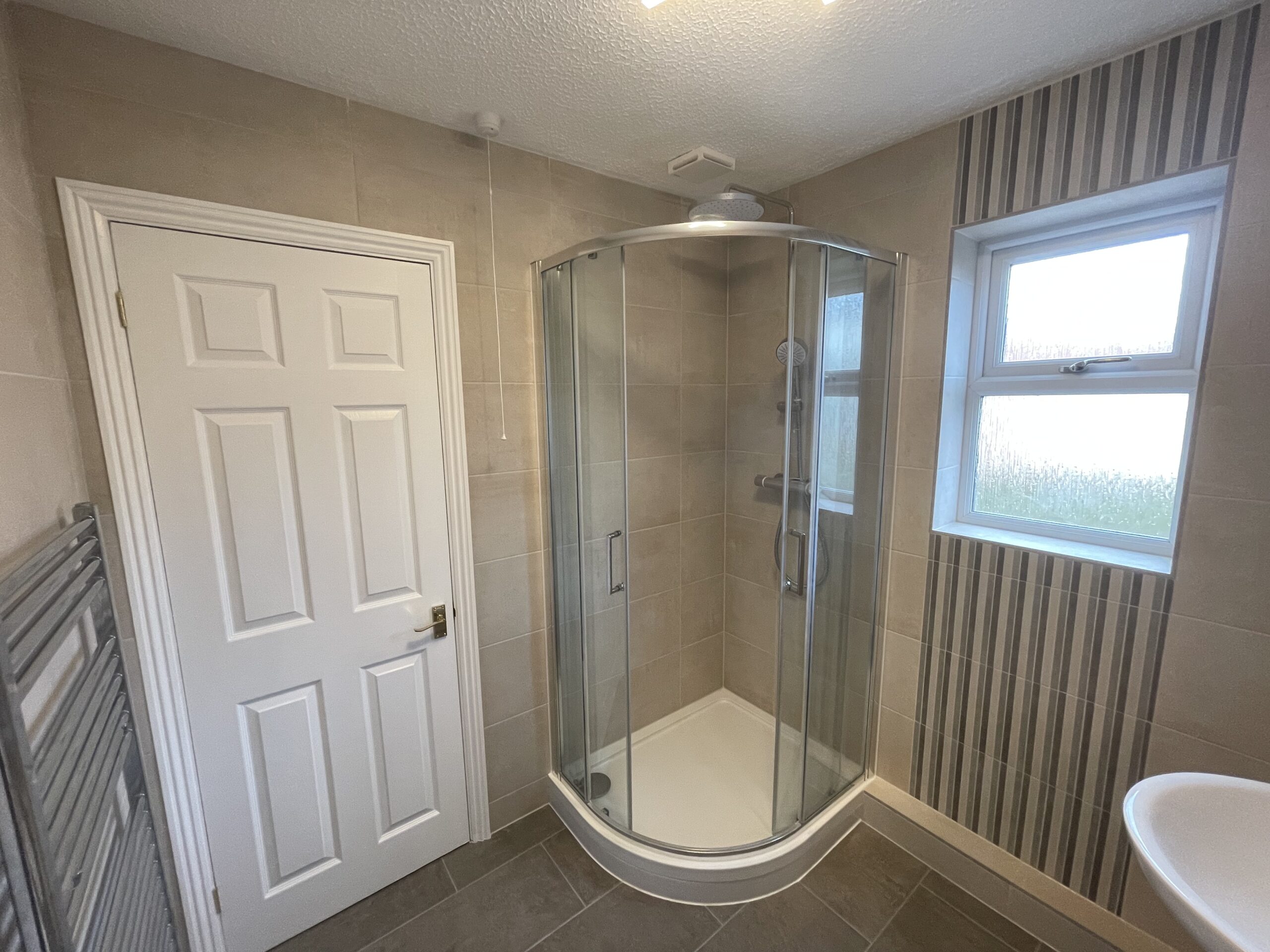
Is removing tiles worth the extra cost?
Think beyond the first day.
Keeping existing tiles may reduce initial labour and disposal costs. But if the underlying installation is poor, those savings can disappear when problems develop later.
Removing tiles isn’t automatically the right choice.
Neither is tiling over them.
The best option is the one that gives the new installation a sound, suitable foundation.
Our approach
We look at what’s already there.
Every property is different. Before starting work, we consider the existing surface, the condition of the tiles and the requirements of the new installation.
That helps avoid unnecessary work where possible and avoids taking shortcuts where preparation is needed.
Planning to retile?
Start with the surface.
Whether you’re updating a bathroom, kitchen or floor, getting the preparation right can make all the difference to the finished result.