How much does tiling cost in the UK? (2026 Guide)
Understand what you’re paying for before your project begins.
One of the first questions homeowners ask is, “How much will it cost to tile my room?” The honest answer is that every project is different. The size of the area, the type of tiles, the condition of the surface and the complexity of the installation all influence the final price.
This guide explains the main factors that affect tiling costs, helping you plan your budget with confidence.
What affects the cost of tiling?
No two tiling projects are exactly the same.
Professional tiling isn’t simply about laying tiles. Preparation, planning and finishing all contribute to the overall cost and, more importantly, the quality of the finished result.
The main factors include:
- Room size
- Wall or floor condition
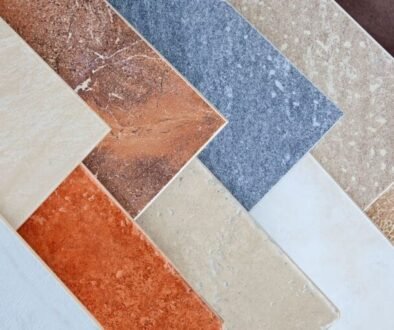
- Tile size and material
- Tile layout and patterns
- Number of cuts and corners
- Waterproofing requirements
- Grouting and finishing details
A simple splashback will naturally take less time than a fully tiled wet room with niches and large-format porcelain tiles.
Bathroom tiling costs
Bathrooms often require the most preparation.
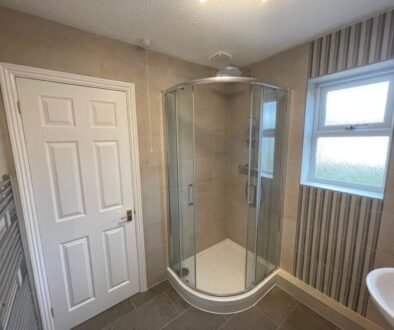
Bathrooms involve more than installing tiles. Floors may need levelling, walls may require preparation and wet areas often need waterproofing before tiling begins.
As a general guide, homeowners should expect bathroom tiling costs to vary depending on:
- The size of the bathroom
- Whether walls, floors or both are being tiled
- Tile size and material
- The amount of cutting around sanitaryware
- Preparation required before installation
Smaller bathrooms can sometimes take just as long as larger ones because of the increased number of detailed cuts.
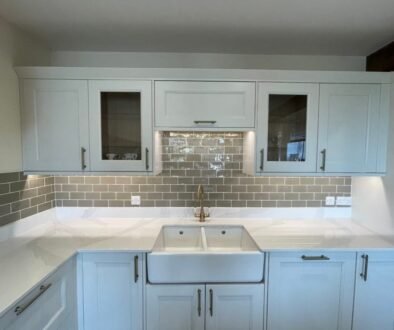
Kitchen tiling costs
The scope of the project makes the biggest difference.
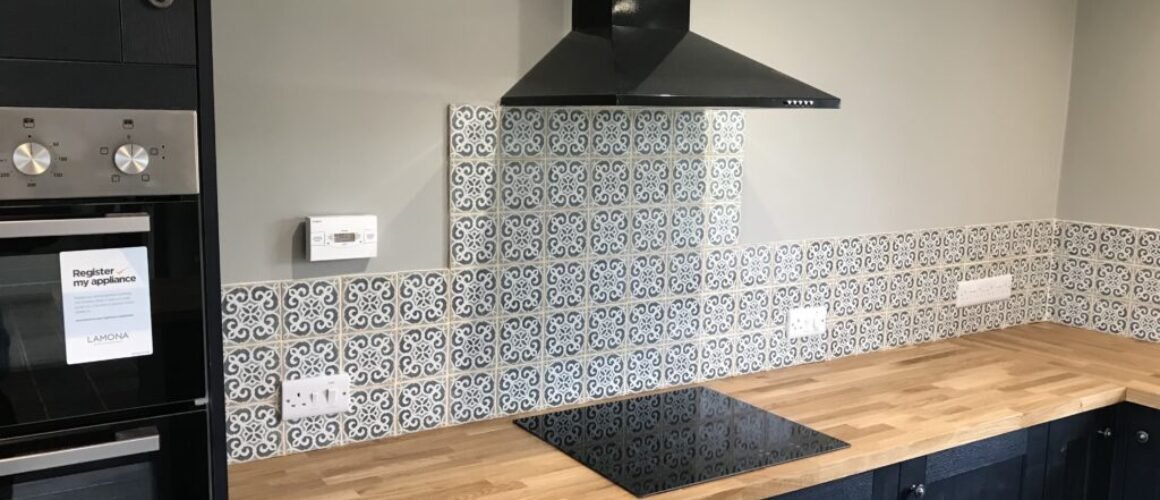
A kitchen splashback requires considerably less labour than tiling an entire kitchen floor or full-height walls.
The final cost depends on:
- Splashback or full-wall installation
- Floor area
- Tile format
- Surface preparation
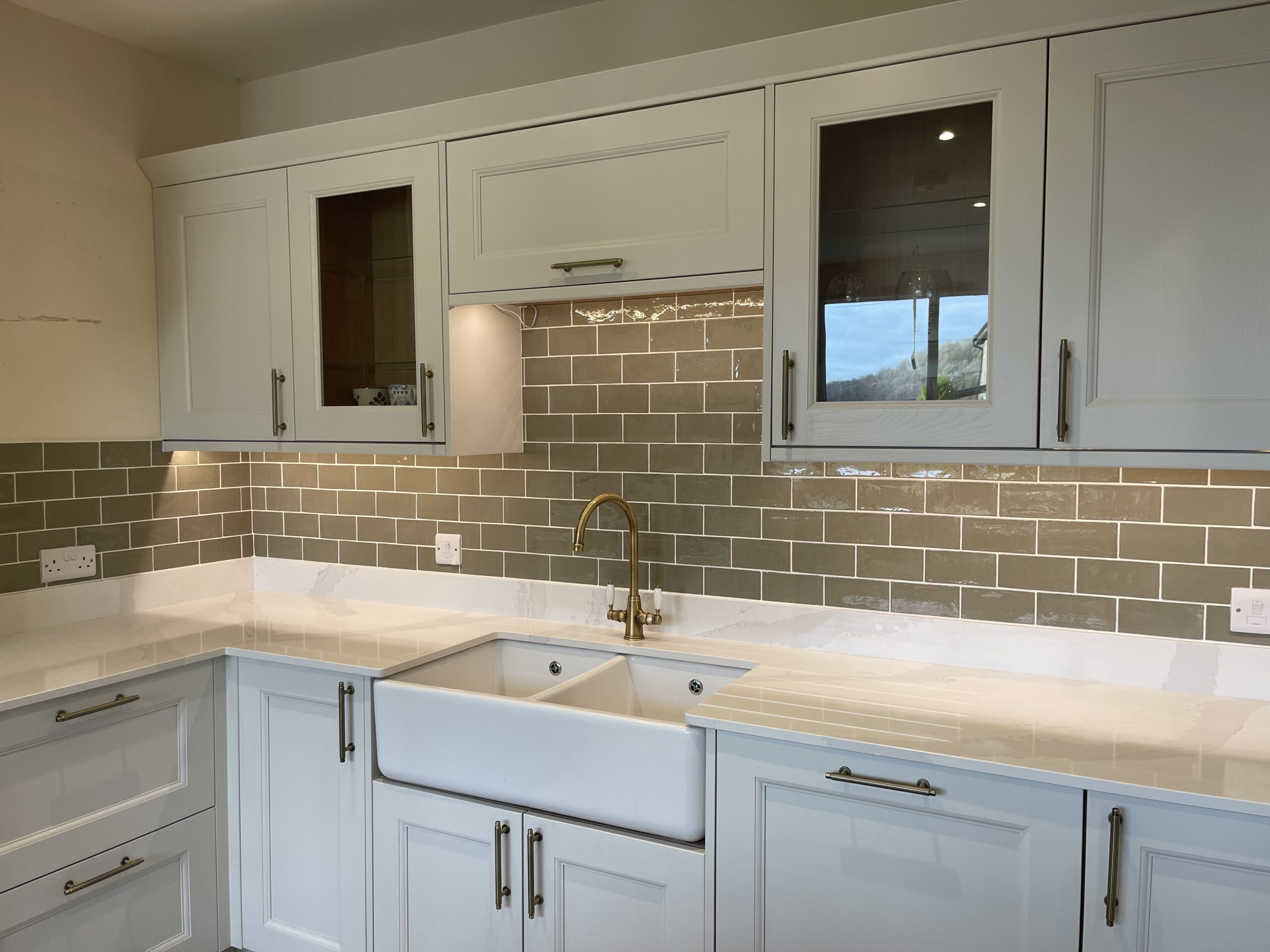
- Decorative features such as herringbone or brick bond layouts
Wall tiling vs floor tiling
Different surfaces require different approaches.
Wall tiling and floor tiling each present their own challenges.
Wall tiling often involves careful alignment around windows, sockets and fixtures, while floor tiling may require levelling compounds, movement joints or additional preparation to create a stable surface.
The complexity of the installation often has a greater influence on labour than the number of tiles alone.
Tile size can affect labour
Bigger doesn’t always mean quicker.
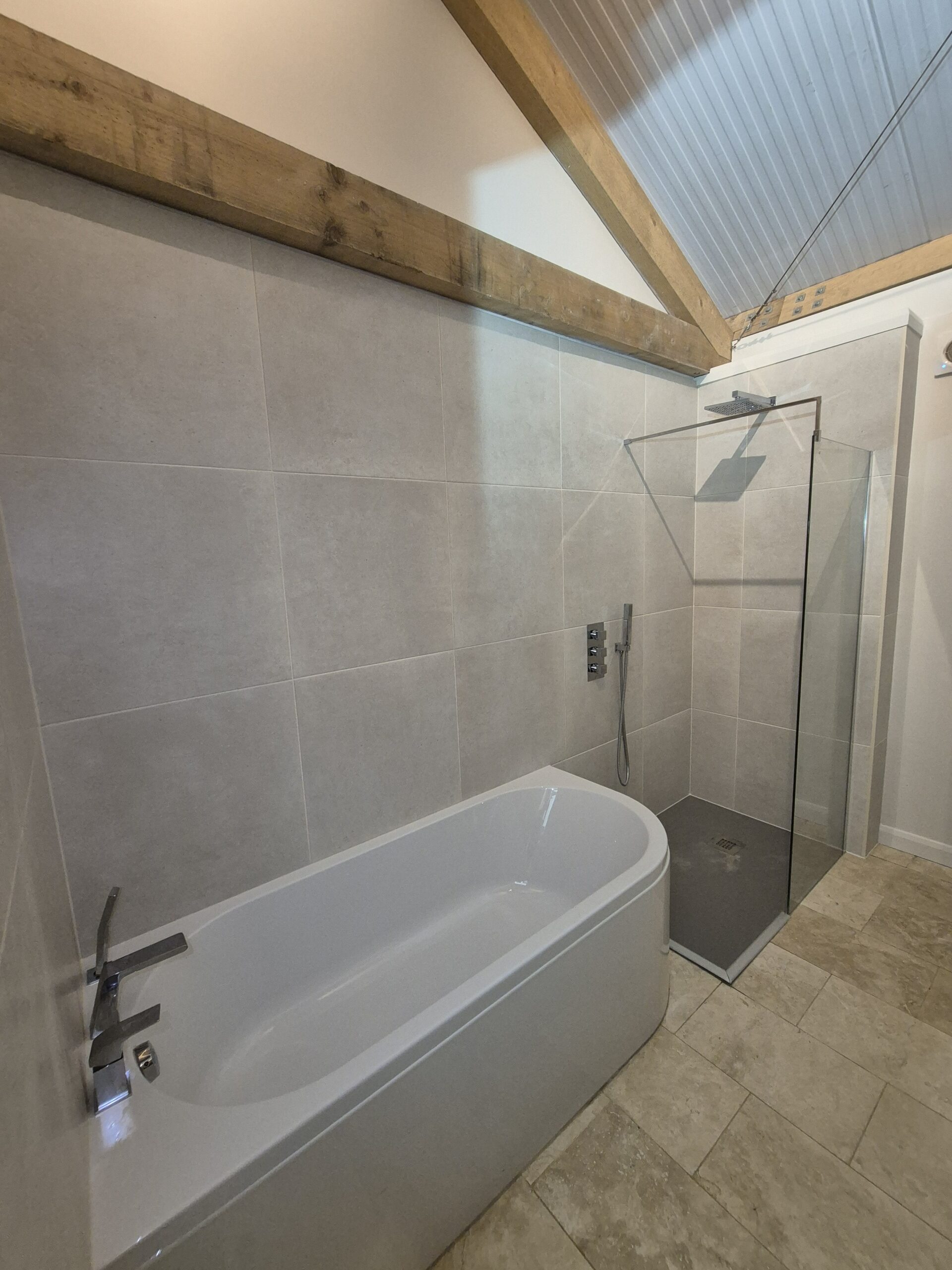
Large-format tiles create a clean, contemporary appearance but often require more careful handling, accurate levelling and precise cutting.
Smaller tiles may seem simpler, yet intricate layouts such as mosaics or herringbone patterns usually involve significantly more labour.
Choosing the right tile isn’t just about appearance, it’s also about the installation process.
Does preparation cost extra?
Preparation is one of the most important stages.
Quality tiling starts before the first tile is installed.
Depending on the condition of the room, preparation may include:
- Removing old tiles
- Repairing damaged walls or floors
- Levelling uneven surfaces
- Priming
- Waterproofing wet areas
While preparation adds time to the project, it’s essential for achieving a durable finish that lasts.
Typical UK tiling price ranges
Every quotation is unique, but these estimates can help with budgeting.
Labour costs vary across the UK and depend on the complexity of the work. As a broad guide:
Project
- Kitchen splashback
- Small bathroom
- Floor tiling
- Wet room
Typical labour range*
- £250 – £600
- £800 – £2,000+
- Varies by size, layout and preparation
- Higher due to waterproofing and floor preparation
*These figures are illustrative estimates only and should not be treated as fixed quotations.
The most accurate way to understand the cost of your project is to request a personalised quotation based on your property and chosen tiles.
Cheapest isn’t always best
Quality workmanship saves money over time.
Choosing the lowest quote can sometimes lead to higher costs later if preparation is skipped or installation standards are compromised.
Professional tiling is an investment. A properly installed tiled surface should continue to perform and look its best for many years, making quality workmanship worthwhile.
How to get an accurate quote
A little information goes a long way.
To receive the most accurate quotation, it’s helpful to provide:
- The room type
- Approximate dimensions
- Whether it’s walls, floors or both
- Photos of the existing area
- Your preferred tiles, if you’ve already chosen them
The more information available at the start, the more accurate the quotation is likely to be.
Ready to discuss your project?
Every home is different, and every quotation should be too.
Whether you’re planning a bathroom renovation, a new kitchen, a tiled hallway or an outdoor project, Druston provides honest advice, clear quotations and professional workmanship from start to finish.
Get in touch today for a free, no-obligation quotation tailored to your project.